
The Bukit Peninsula's limestone cliffs are unlike anywhere else in Bali.
If Canggu is Bali's sociable younger sibling, Uluwatu is the dramatic older one: clifftop temples, world-class surf and sunsets that stop conversations mid-sentence. The Bukit Peninsula, at Bali's southern tip, feels like a different island. It's wild, rugged and spectacular, with white-sand coves tucked under 70-metre cliffs.
We look after two villas here, Unite By The Sea in Pecatu and Temple of Tides in Nyang Nyang, and we've spent years exploring every corner of the peninsula. This is our honest guide to what to do in Uluwatu, where to go and how to make the most of your time.
1. Watch the Kecak fire dance at Uluwatu Temple
Pura Luhur Uluwatu is one of Bali's most important sea temples, perched on a cliff about 70 metres above the Indian Ocean. It's beautiful at any time of day, but come at sunset for the Kecak fire dance, performed in an open-air amphitheatre as the sun drops behind the stage.
The Kecak is a uniquely Balinese performance: a large chorus of men chanting in rhythm while dancers act out scenes from the Ramayana, ending with a dramatic fire scene. It runs every evening. Buy tickets at the temple and arrive 45 minutes to an hour early for a good seat, as it often sells out in the dry season.

Pura Luhur Uluwatu at sunset, one of the great sights of Bali.
2. Surf Uluwatu's famous breaks
Uluwatu is one of the most celebrated surf spots in the world. The main break at Uluwatu is a long, powerful left-hander reached through a cave at Suluban Beach. Nearby, Padang Padang, Bingin and Impossibles each have their own character. These are reef breaks for intermediate and advanced surfers, and they're at their best in the dry season, roughly April to October.
Not surfing? Watching the pros from the cliffs at Single Fin, drink in hand, is one of the best free shows in Bali.
3. Take a surf lesson at Dreamland or Balangan
If you're new to surfing, skip the reef breaks and head to Dreamland or Balangan, where the waves break over sand and are friendlier for learners. Local surf schools run lessons with boards and rash vests included, and a good instructor will pick the right beach for the day's swell.
4. Spend a day at a clifftop beach club
Uluwatu's beach clubs are some of the most spectacular in the world: infinity pools on the cliff edge and nothing but ocean to the horizon.
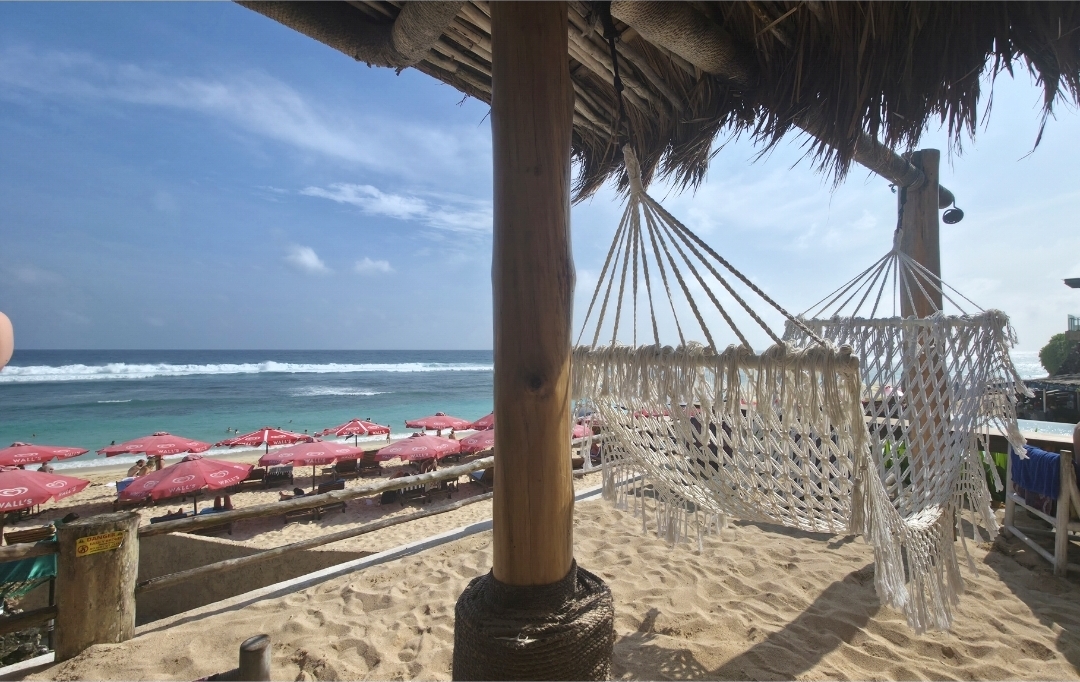
Palmilla, one of Uluwatu's clifftop venues. Photo: Island Dream Collective.
- Palmilla: relaxed, beautiful and great food, with uninterrupted Indian Ocean views. One of our favourites near Unite By The Sea.
- Savaya: the big one, a tiered amphitheatre of pools on the cliff face with international DJs. Book well ahead.
- Single Fin: the original, right above the Uluwatu surf break. Sunday sessions are legendary.
- El Kabron: Spanish food and cocktails with one of the best cliff-edge views on the peninsula. More intimate and refined.
5. Swim at Padang Padang and Bingin
Padang Padang is small, dramatic and much-loved: a cove of white sand reached through a narrow gap in the rocks, with calm pools at low tide. It gets busy by late morning, so go early. Just along the coast, Bingin is a strip of sand below a tumble of guesthouses and warungs. The stairs are steep, but the reward is one of Bali's most laid-back beaches.
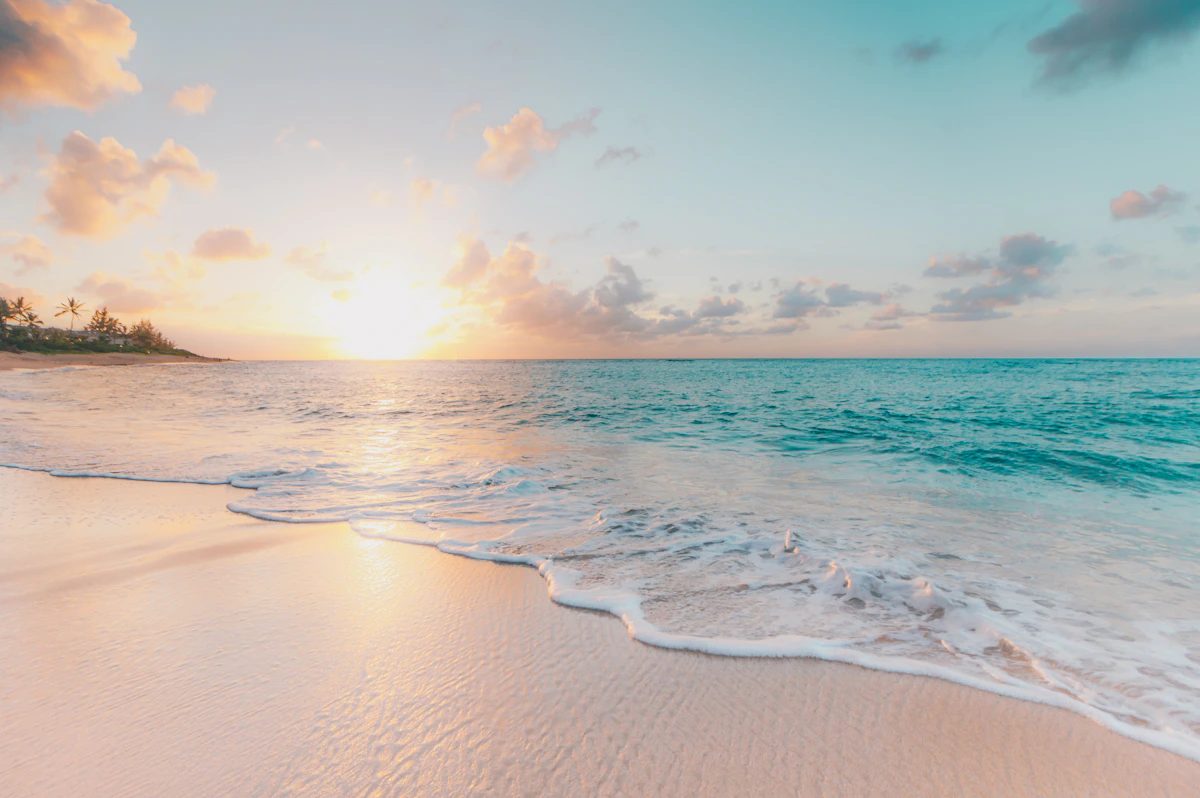
Uluwatu's beaches are tucked under cliffs, so they take effort to reach and stay beautiful because of it.
6. Hike down to Nyang Nyang Beach
Nyang Nyang is the most remote beach on the peninsula and one of the most beautiful in Bali. A steep path of several hundred steps winds down through scrub and jungle to a long, almost empty stretch of white sand, with an old shipwreck at one end. Take water, go in the morning or late afternoon, and save energy for the climb back up. Our villa Temple of Tides is about 400 metres from the top of the path.
7. See the cliff road to Melasti Beach
On the southern coast in Ungasan, the road down to Melasti Beach is cut straight through towering white cliffs, and the drive alone is worth it. At the bottom you'll find clear turquoise water, white sand and calmer conditions than the west-coast surf beaches, making it one of the better swimming spots on the Bukit.
8. Explore the caves at Green Bowl
Green Bowl, on the south-east coast, is reached by a long staircase down the cliff. At low tide the beach opens up into rock pools and sea caves to explore, and the water is often wonderfully clear. Go at low tide; at high tide there's very little beach at all.
9. Climb down to Suluban's cave beach
Right below Single Fin, Suluban Beach (also known as Blue Point) is reached by stairs down through a gap in the cliffs that opens into a cave. At low tide you can walk out among the rocks and watch surfers paddle out to the main Uluwatu break. At high tide it's mostly underwater, so time your visit.
10. Watch a free sunset from the cliffs
You don't need a beach club to enjoy an Uluwatu sunset. The cliff tops around Suluban and Padang Padang have plenty of spots to sit and watch the sun drop into the Indian Ocean. Grab a cold drink from a warung, find your spot early and enjoy the show.

Uluwatu sunsets are free from the cliff edge.
11. Visit Garuda Wisnu Kencana
Garuda Wisnu Kencana Cultural Park (GWK) is home to one of the tallest statues in the world: a giant copper and brass figure of Vishnu riding the mythical bird Garuda. The surrounding park hosts daily traditional dance performances and has wide views over the south of Bali. It's touristy, but genuinely impressive, and a good half-day out with kids.
12. Eat at warungs and cliffside cafés
Uluwatu's food scene has grown up fast. Health-focused cafés, specialty coffee and wood-fired pizza now sit alongside the simple warungs that have fed surfers for decades. The Cashew Tree in Bingin is a long-running favourite for relaxed, healthy food, and Suka Espresso is a reliable stop for coffee and brunch. For a cheap, delicious lunch, the warungs around Padang Padang and Bingin serve fresh fish, nasi campur and mie goreng for a few dollars. See our full guide to the best restaurants in Uluwatu.
13. Have a seafood dinner on Jimbaran Bay
About 25 to 40 minutes north of Uluwatu, Jimbaran Bay is famous for its sunset seafood dinners. Tables are set out on the sand and fish, prawns and squid are grilled over coconut husks while the sun sets over the bay. Pick your seafood by weight, agree the price before it's cooked, and enjoy one of Bali's classic evenings. More in our guide to Jimbaran and Nusa Dua.
14. Take a yoga class or get a massage
Uluwatu has plenty of yoga studios, many with ocean views and drop-in classes for every level. Pair a morning class with an afternoon Balinese massage, one of the island's great bargains. Many spas will come to your villa, which is the most relaxing way to finish a day of beach stairs.
15. Take a day trip to Canggu or Ubud
Uluwatu is a great base, but the rest of Bali is within reach. Canggu is roughly an hour away by car for rice fields, cafés and Tanah Lot at sunset; see our guide to things to do in Canggu. Ubud, Bali's cultural heart, takes about two hours each way, so leave early and make a full day of it; see our Ubud guide.
Uluwatu's areas at a glance
"Uluwatu" usually means the whole western and southern edge of the Bukit Peninsula. Each part has its own feel:
- Suluban and Uluwatu Temple: the surf heartland, with Single Fin, the main break and the temple at the southern end.
- Padang Padang and Bingin: the classic beach strip, with cafés, warungs and guesthouses close to the sand.
- Pecatu: the residential area inland from the beaches, quieter at night and minutes from everything. Our villa Unite By The Sea is here.
- Ungasan and Melasti: the southern cliffs, with luxury resorts, the cliff road to Melasti and some of the island's biggest views.
- Nyang Nyang: remote, peaceful and close to one of Bali's emptiest beaches. Home to our loft villa, Temple of Tides.
For more on the beaches themselves, see our guide to the best beaches in Uluwatu.
Uluwatu itinerary: one day and three days
One day in Uluwatu: an early swim at Padang Padang before the crowds, breakfast at a café in Bingin, a lazy afternoon at a clifftop beach club, then Uluwatu Temple for sunset and the Kecak fire dance. Finish with dinner at a warung.
Three days in Uluwatu:
- Day 1: Padang Padang and Bingin in the morning, beach club in the afternoon, Kecak fire dance at sunset.
- Day 2: a surf lesson at Dreamland or Balangan, lunch at a warung, the cliff road to Melasti in the afternoon and a free sunset from the cliffs.
- Day 3: the hike down to Nyang Nyang in the morning, a massage at your villa in the afternoon, then seafood on the sand at Jimbaran Bay.
What to do in Uluwatu when it rains
The wet season (roughly November to March) brings short, heavy showers, usually in the afternoon. Good plans for a rainy day:
- A long massage or spa afternoon, at a spa or in your villa
- A yoga class with an ocean view
- A long, slow lunch at a café while the storm passes
- Garuda Wisnu Kencana between showers
- A day by your villa pool. The rain is warm, after all.
Getting around Uluwatu
Uluwatu is spread out, with steep, narrow roads and few footpaths, so most people don't walk between areas. Gojek and Grab work well for cheap car and scooter rides, though pick-ups can be slower after dark and at busy beach car parks. Hire a scooter only if you're an experienced rider with the right licence and travel insurance, and always wear a helmet. For day trips and evenings out, a private driver is the easiest choice. The airport is roughly 30 to 60 minutes away, depending on traffic.
Best time to visit Uluwatu
The dry season, from about April to October, brings sunny days, lower humidity and the best surf on Uluwatu's west-facing breaks, with July and August the busiest months. The wet season is greener, quieter and often better value, and mornings are usually still clear. For more, see our Bali travel tips.
Where to stay in Uluwatu
A private villa gives you room to spread out, your own pool and a quiet place to come home to after a day of beaches and cliffs. Stay near Padang Padang and Bingin to be close to the action, in Pecatu for a quieter base in the middle of it all, or in Nyang Nyang or Ungasan for peace and space.
We have two villas here, and we live in Bali and look after every stay ourselves. Booking direct with us means no platform fees. Deciding between areas? Read Canggu or Uluwatu.
- Unite By The Sea: a four-bedroom villa with a private pool in Pecatu, about eight minutes from Padang Padang. Ideal for families and groups. Check its dates.
- Temple of Tides: a one-bedroom pool loft about 400 metres from Nyang Nyang Beach. Made for couples and honeymoons. Check its dates.
Uluwatu FAQ
Is Uluwatu worth visiting?
Yes. It has some of Bali's most beautiful beaches, world-class surf, the clifftop Uluwatu Temple and its fire dance, and spectacular beach clubs and sunsets. It suits couples, families and surfers who want a quieter, more scenic side of Bali.
How many days do you need in Uluwatu?
Three to four days is enough for the temple, the main beaches, a beach club and a sunset or two. Many visitors stay a week to slow down and explore the quieter beaches like Nyang Nyang and Green Bowl.
Is Uluwatu good for families?
Yes, with some planning. Calmer beaches like Melasti and Dreamland, GWK and a villa with a private pool work well with kids. Many beaches involve steep stairs and strong waves, so choose them carefully and swim only in calm, patrolled areas.
Can you swim in Uluwatu?
At some beaches, yes. Padang Padang, Melasti and Dreamland can be good for swimming in calm conditions, especially at the right tide. Many other spots have reef, rips and powerful surf, so check conditions, wear reef shoes and stay out of the water when the waves are big.
Should I stay in Uluwatu or Canggu?
Choose Uluwatu for dramatic cliffs, clearer water, quieter nights and big surf; choose Canggu for cafés, nightlife, rice fields and a busier, social scene. They're about an hour apart, so it's easy to visit one from the other, and many guests split their stay.
How do I get to Uluwatu from the airport?
By car, it usually takes 30 to 60 minutes depending on traffic. Pre-book a private transfer or use Grab or Gojek from the airport's designated pick-up area. If you're staying with us, we can arrange a transfer for you.
What should I know about the monkeys at Uluwatu Temple?
They snatch sunglasses, hats, phones and food. Keep loose items in a zipped bag, don't carry snacks, and if something is taken, let a temple staff member help rather than chasing the monkey.
Stay in Uluwatu
Book Unite By The Sea or Temple of Tides direct, or explore our villa in Canggu. Best rates are always here, with no platform fees.
Check availability